By William Alkhoury July 08, 2026
Socratic Questioning in Therapy: How Do You Know?
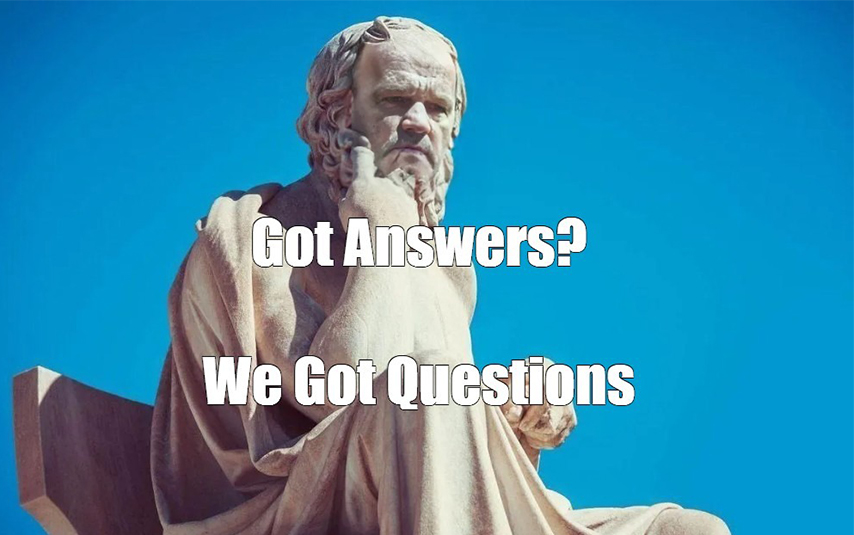
Socratic questioning—central to Cognitive Behavioral Therapy and used in Logotherapy—doesn't give answers, but helps people discover truth within themselves.
Through skillful questions, Socrates attempted to guide people to see the gaps, contradictions, and assumptions in their thinking.
The goal is not to be “taught,” but to awaken insight and clarity out of confusion.
To live consciously means staying open to evidence, willing to question our beliefs, and ready to correct them. *
As we see ourselves more clearly, we begin to see reality more clearly. *
The Challenge
Most people are unaware of contradictions in their thinking.
The quest for reason is to integrate experience without contradiction.
Living consciously is difficult—it requires honesty, effort, and lifelong learning.
To align with reality, we must value clarity over comfort. *
If we move through life blindly, we have good reason to be afraid. *
The Bridge
Growth begins with awareness.
Beliefs aren’t really true, they’re just ideas.
The first step to establishing a new belief is to think about it.
We must reflect on our thoughts and emotions and ask:
- What are the grounds for what I believe?
- What is the evidence?
- What must be true to believe that?
- What do I mean by this, exactly?
- How do you know?
- How would you know if that wasn’t true?
- If I’m right, what follows—what are the long-term consequences?
If we aim to live with full awareness, nothing is more important than honest self-inquiry, turning inward, and raising our being to a higher level.
Closing Question
Am I living consciously?
If I bring more consciousness to what I believe, what would I see differently?
Works Cited:
Branden, N. The Art of Living Consciously. New York: Fireside, 1997. *
NLP Salad. (n.d.). NLP Salad Cards: Belief Busters [Card deck].